Dental hygiene is more than just keeping your teeth clean—it plays a major role in your overall health. Poor oral care can lead to cavities and gum disease, but it can also contribute to serious conditions throughout the body. Taking care of your teeth and gums is one of the simplest ways to protect your heart, brain, and immune system.
What Is Dental Hygiene?
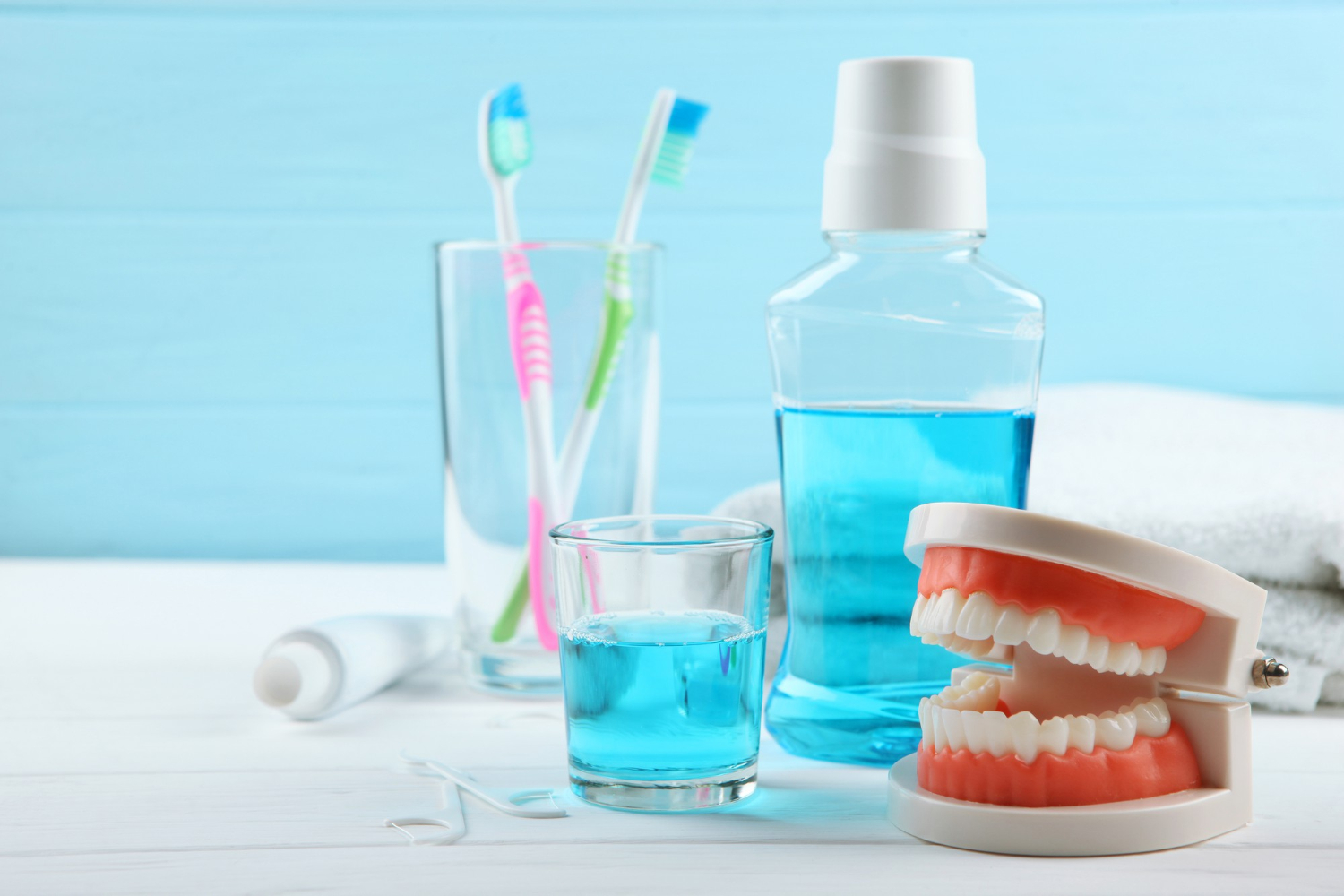
Dental hygiene refers to the daily habits and professional care that keep your mouth clean and free of disease. This includes:
- Brushing your teeth twice a day
- Flossing once daily
- Rinsing with mouthwash
- Visiting the dentist every 6 months
These simple steps help remove plaque—a sticky film of bacteria—that causes tooth decay and gum disease.
How Oral Health Affects the Body
When oral bacteria build up, they don’t just stay in your mouth. Inflammation and infection can spread to other parts of your body and increase the risk of:
1. Heart Disease
Bacteria from gum infections can enter the bloodstream, triggering inflammation in the arteries. Studies show that people with gum disease are more likely to have heart attacks and strokes.
2. Diabetes
Poor oral hygiene makes it harder to control blood sugar, and people with diabetes are more prone to gum disease. It’s a two-way relationship that requires extra care.
3. Lung Conditions
Inhaling bacteria from an infected mouth can lead to respiratory infections, including pneumonia—especially in older adults or those with weakened immune systems.
4. Pregnancy Complications
Gum disease has been linked to premature births and low birth weight. Pregnant women should keep up with dental checkups to protect both their own health and their baby’s.
5. Brain Health
Some studies suggest that poor oral health may increase the risk of cognitive decline and conditions like Alzheimer’s disease, possibly due to chronic inflammation.
Signs Your Dental Hygiene Needs Attention
Watch for these symptoms:
- Bleeding gums when brushing
- Bad breath that doesn’t go away
- Loose teeth or receding gums
- Tooth sensitivity or pain
- Mouth sores that don’t heal
These could be signs of gum disease or infection that may be affecting more than just your mouth.
Tips for Good Dental Hygiene
- Brush with fluoride toothpaste for two minutes, twice daily.
- Floss once a day to remove plaque between teeth.
- Eat a balanced diet low in sugar and acidic foods.
- Avoid tobacco and limit alcohol use.
- Stay hydrated—dry mouth can lead to decay.
- Schedule regular cleanings and exams with a dental professional.
Conclusion: A Healthy Mouth Means a Healthier You
Dental hygiene is a powerful tool for preventing disease and protecting your overall health. By keeping your mouth clean, you reduce the risk of infections and chronic conditions that affect your heart, lungs, blood sugar, and more. It’s never too late to improve your dental habits—your whole body will benefit.
Empowering Wellness, Enriching Lives
If you’re looking for home healthcare services such as personal care, companionship, respite care, private pay, light housekeeping, home safety evaluations, food prep, or a health advocate for yourself or loved ones in the Pennsylvania area, then contact Treasures of Compassion today to see how we can help.